
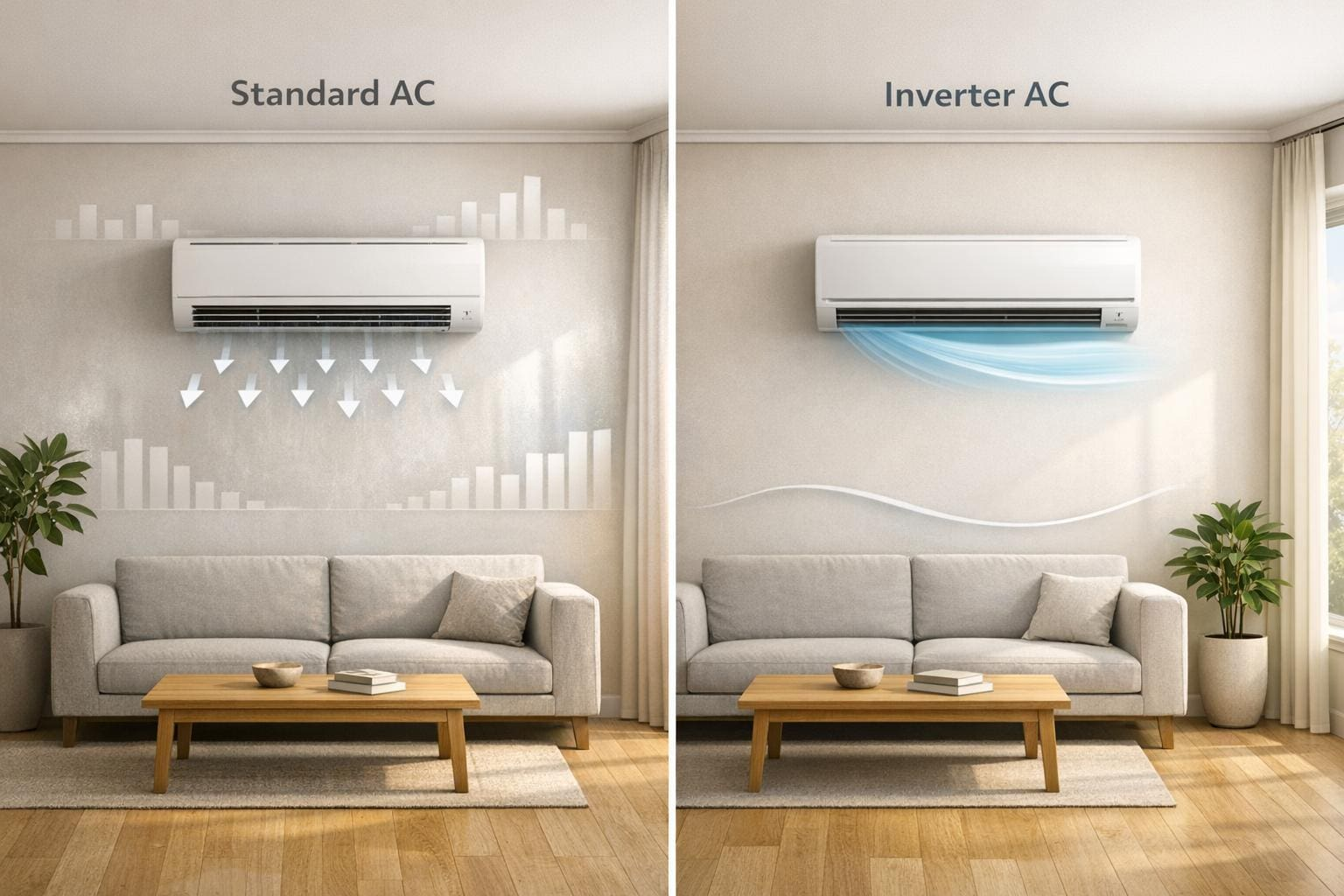
An AC system is a vital part of modern living, providing comfort and relief during hot weather. However, many homeowners continue using outdated air conditioning units long after their efficiency and performance have declined. Upgrading to a newer AC system can offer numerous advantages, including lower energy costs, improved comfort, better air quality, and enhanced reliability. As technology advances, modern AC units are becoming more efficient and environmentally friendly, making an upgrade a smart investment for many property owners.Need document shredding Roanoke contact 1st Choice Shredding.
One of the most significant benefits of upgrading an AC system is improved energy efficiency. Older air conditioners often consume more electricity because their components wear down over time and their technology becomes outdated. Newer AC models are designed to use less energy while delivering superior cooling performance. This increased efficiency can lead to noticeable reductions in monthly utility bills, helping homeowners save money year after year.
Enhanced indoor comfort is another major advantage of installing a modern AC system. Older units may struggle to maintain consistent temperatures throughout the home, resulting in hot and cold spots. New AC systems feature advanced technology that provides more precise temperature control and better airflow distribution. As a result, every room can remain comfortable, even during periods of extreme heat.
Improved air quality is a key reason many homeowners choose to upgrade their AC. Modern systems often include advanced filtration technologies that capture dust, pollen, pet dander, and other airborne contaminants. Cleaner indoor air can be particularly beneficial for individuals with allergies, asthma, or respiratory conditions. A high-quality AC system helps create a healthier living environment by reducing pollutants and improving overall air circulation.
Humidity control is another important feature offered by modern AC systems. Excess humidity can make indoor spaces feel uncomfortable and encourage the growth of mold and mildew. Newer air conditioners are designed to remove moisture more effectively, creating a balanced indoor climate. Proper humidity control not only improves comfort but also helps protect furniture, flooring, and other household materials from moisture-related damage.
Reliability is a major concern for homeowners with aging air conditioning systems. Frequent breakdowns and costly repairs can become frustrating and expensive. Upgrading to a new AC reduces the risk of unexpected failures and provides greater peace of mind. Modern units are built with durable components and often include manufacturer warranties that offer additional protection against potential issues.
Environmental benefits are also associated with upgrading an AC system. Many older units use refrigerants that are less environmentally friendly than those used in modern systems. New AC models are designed to meet current environmental standards and reduce greenhouse gas emissions. By upgrading, homeowners can contribute to sustainability efforts while enjoying improved cooling performance.
Smart technology has transformed the way people interact with their AC systems. Many modern units can be integrated with smart thermostats and home automation systems. These features allow homeowners to control temperatures remotely using smartphones or tablets. Smart AC technology can automatically adjust settings based on occupancy patterns and preferences, maximizing comfort while minimizing energy waste.
While the initial cost of upgrading an AC system may seem significant, the long-term benefits often outweigh the expense. Lower energy bills, reduced repair costs, improved comfort, and increased property value can provide substantial returns on investment. In many cases, utility companies and government programs may also offer rebates or incentives for installing energy-efficient AC equipment.
Professional installation is essential for maximizing the benefits of a new AC system. Experienced HVAC technicians can evaluate the home’s cooling needs and recommend the most suitable unit. Proper installation ensures efficient operation, optimal airflow, and long-term reliability.
In conclusion, upgrading an AC system offers numerous advantages for homeowners seeking better comfort, efficiency, and performance. From lower energy consumption and improved air quality to enhanced reliability and smart technology integration, a modern AC system can significantly improve everyday living. Investing in a new AC is a practical decision that provides lasting value, comfort, and peace of mind for years to come.